



The rate per tonne of construction and demolition waste management is variable depending on density, applying the principle of "the polluter pays". Waste with a lower density implies that the material has more improper elements (wood, plastics, etc.) and therefore its treatment is more costly, since more cleaning operations are required and it is necessary to cover the cost of the correct management of said improper elements present in the waste.


Density is the result of dividing the weight of the waste by the apparent volume they occupy. The weight of the waste is obtained by subtracting the vehicle's exit weight from its entry weight. This difference is the weight of the waste unloaded at the plant.
The apparent volume is the volume occupied by the waste, and is determined based on the nominal volume of the container, to which a fill percentage is applied after visual inspection of the load (25%, 50%, 75%, 100% and 125% of the nominal container volume). If it is not possible to calculate the apparent volume of the waste, the density is considered to be 1.
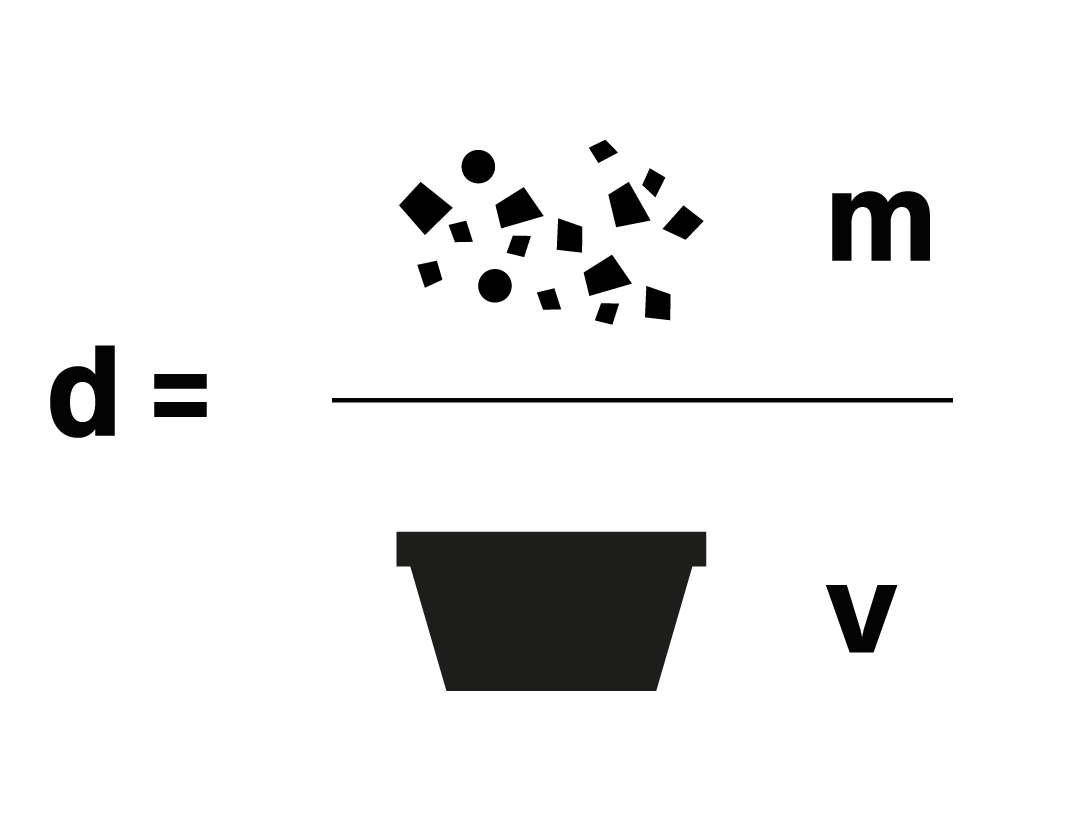
The applicable rate is calculated using the following formula:
Applicable rate = CDW rate x Correction factor (Fc)
Where the CDW rate is the current approved rate for construction and demolition waste, €33.57/t (published in BOIB no.5 of 10 January 2026), and the correction factor (Fc) is a value that varies depending on density according to the following table:
For intermediate values, interpolation is performed.


